Cat Aholic: A Designer's Take on This Embroidery Gem
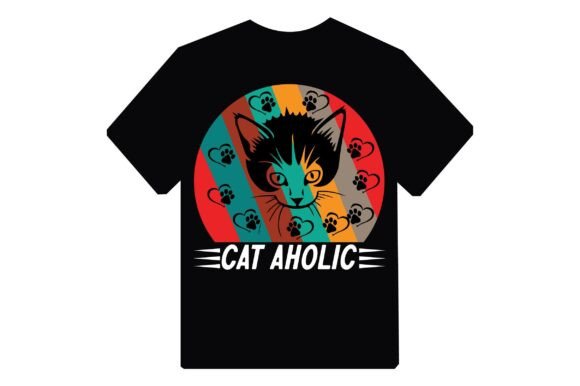
When I first opened the Cat Aholic file, my initial reaction wasn't about the technical specs or the file format. It was about the immediate sense of personality it projects. As someone who has stitched thousands of designs for clients ranging from boutique owners to hobbyists, I look for that spark—a design that feels ready to be worn, not just printed. This piece delivers exactly that. It captures the chaotic, loving energy of a true cat enthusiast without feeling cluttered or overly complex. The layout is balanced, allowing the text and imagery to breathe, which is crucial when translating a digital graphic into physical thread.
I have spent the last few weeks testing this design across various mediums to see how it truly performs in the real world. My goal here isn't to simply list features but to share practical insights on where Cat Aholic shines and where you might need to exercise caution during your embroidery process. Whether you are an Etsy seller looking to expand your catalog or a crafter making a personalized gift, understanding the nuances of this design is key to a successful finished product.
First Impressions and Visual Personality
The mood of Cat Aholic is undeniably playful yet sophisticated enough for modern home decor. The typography is bold, ensuring legibility even at smaller scales, while the accompanying graphics suggest a love for felines that goes beyond the surface. In the world of machine embroidery design, balance is everything. Too much detail can lead to puckering; too little can look cheap. This design strikes a middle ground that works beautifully for custom apparel and home accents alike.
Visually, it screams "handmade." It doesn't try to mimic screen printing; instead, it embraces the texture and depth that only satin stitch and fill stitch can provide. The design assets are clean, meaning the vector paths (if included) should translate well into digitized stitches. For those of us who value brand consistency, this design offers a cohesive look that could easily become a signature element for a small shop specializing in pet-themed goods or lifestyle products.
Real-World Application: From Tote Bag to Nursery Decor
To truly understand the potential of this design, let's imagine a specific scenario. I recently had a client request a set of matching items for a baby shower themed around cats. They wanted something unique that wasn't just a generic "Hello World" message. Cat Aholic became the centerpiece for a collection including a baby onesie, a tote bag, and a nursery pillow cover.
On the tote bag design, the design held up remarkably well. The fabric was a sturdy canvas, providing the necessary stability for the stitches. The contrast between the thread colors and the dark canvas made the text pop, creating a professional finish that customers immediately noticed. It felt like a high-end boutique item rather than a mass-produced souvenir.
Similarly, when applied to a sweatshirt embroidery project, the design added a layer of warmth and character. The density of the stitches provided a tactile quality that flat prints lack. For baby embroidery, I tested the design on soft cotton blends. The stitch density was manageable, preventing any stiffness that might irritate sensitive skin. The result was a cherished personalized gift that felt both durable and affectionate.
This versatility extends to kitchen towels and aprons as well. Imagine a baker using this design on a custom apron for their bakery, or a coffee shop owner adding it to employee shirts. The design acts as a conversation starter, instantly communicating a love for animals and a welcoming vibe. It fits perfectly into holiday embroidery collections, especially for gifts during the winter season when people appreciate cozy, thematic decorations.
Where Caution is Required
While Cat Aholic is a strong contender for many projects, no single design is a magic bullet for every situation. As an experienced designer, I must highlight areas where you should proceed with care. One of the primary concerns is the hoop size. If you attempt to place this design on a very small hoop, such as one used for cap embroidery or tiny patches, the details may get lost. The lettering needs space to be readable, and the graphical elements require room to avoid crowding.
Fabric texture plays a significant role in the final outcome. On highly textured fabrics like chunky knits or bouclé, the design might not lay flat, leading to uneven stitching. Similarly, thin or stretchy fabrics, such as lightweight jersey or silk, can cause issues if not stabilized correctly. Without the proper stabilizer, the tension of the stitches could distort the fabric, ruining the shape of the design.
Dense stitch areas are another consideration. If the design includes large blocks of fill stitch, it can create a stiff area on the garment. This is particularly important for custom apparel intended for infants or elderly individuals who prefer softer touches. Additionally, working with dark fabrics requires careful selection of thread colors. While the design likely includes color suggestions, always test the contrast before committing to a full production run. If the background fabric is black, ensure the threads are light enough to stand out without needing excessive underlay layers.
Curved surfaces, like baseball caps or beanies, present their own challenges. The curvature can alter the perception of the text, making it appear distorted if the design isn't adjusted for the curve. For these applications, it is often best to reduce the size slightly or choose a flatter placement area on the garment.
Impact on Product Value and Customer Trust
In the competitive landscape of Etsy sellers and craft business owners, the quality of your finished product dictates your reputation. A poorly executed design can erode customer trust quickly. However, a well-executed embroidery project using a design like Cat Aholic elevates the perceived value of your item.
When a customer receives a finished product with crisp edges, consistent tension, and vibrant colors, they associate that quality with your brand. This leads to repeat business and positive reviews. The design's clarity ensures that the message is received loud and clear, whether it is a statement piece for a fashion-forward individual or a sentimental keepsake for a family member.
Furthermore, the design's adaptability allows for creative marketing strategies. You can create printable mockups showing the design on various items—mugs, stickers, pillows, and posters—to showcase its versatility. These visual aids help potential buyers visualize the final result, increasing engagement and conversion rates. For commercial embroidery projects, having a reliable design like this streamlines the workflow, allowing you to fulfill orders faster without compromising on quality.
Practical Designer Notes for Success
Before you start stitching, there are a few essential steps to ensure your project runs smoothly. First and foremost, always test the design on scrap fabric. This simple step allows you to check the stitch density, review the thread colors, and confirm that the hoop size is appropriate for your intended application. Don't skip this step; it can save you hours of rework.
Review the design in black and white mockups to ensure the contrast holds up regardless of the lighting conditions. Compare how it looks on light versus dark backgrounds to determine the best color palette for your specific use case. If you are unsure about the file formats or specific machine compatibility, check the product description carefully. The source mentions files are compressed in a zip folder, so ensure you have the necessary software to extract and view them.
Confirm the licensing terms before selling finished items or distributing the digital embroidery file. Understanding whether you have commercial rights is vital for protecting your small shop product line. Use proper stabilizers tailored to the fabric type to prevent puckering and distortion. Inspect small details closely after stitching to ensure no loose threads or missed stitches mar the appearance.
Finally, consider the end-use of the product. Is it for frequent washing? If so, ensure the design is robust enough to withstand the rigors of a washing machine. For items like embroidered patches or pillow covers, the durability of the stitches is paramount. By following these guidelines, you can maximize the potential of Cat Aholic and create stunning pieces that resonate with your audience.
In conclusion, Cat Aholic is more than just a T-Shirt Designs graphic; it is a versatile tool for creative entrepreneurs and makers. Its blend of charm and functionality makes it a valuable addition to any embroidery library. With careful planning and attention to detail, this design can serve as the foundation for a wide array of profitable and heartfelt projects.