Cute Cat Playing with Feather SVG Review
As a designer who has spent years navigating the chaotic landscape of digital assets for embroidery, I approach every new download with a mix of hope and skepticism. You never know if a file will translate beautifully from a screen to fabric or if it will result in a tangled mess on your hoop. Recently, I pulled up Cute Cat Playing with Feather SVG with the intention of creating a custom line of baby gifts and boutique tote bags. My goal was to see if this specific design could stand out in a crowded market while remaining practical for high-volume production.
First Impressions: Mood and Visual Personality
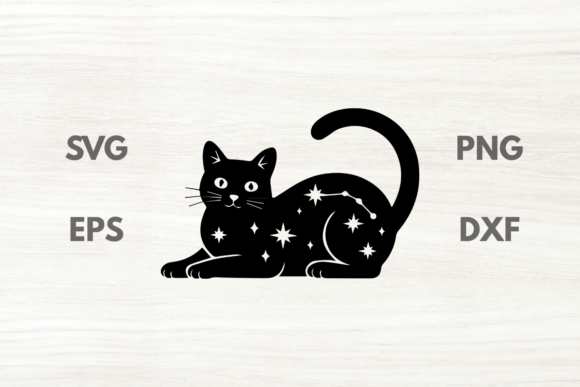
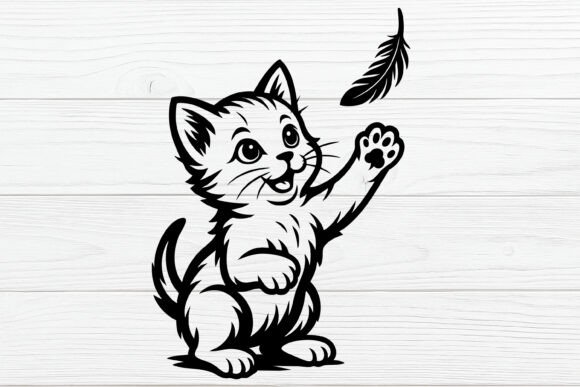
The moment you open the file, the mood is immediately established. This isn't a stiff, corporate illustration; it is playful, whimsical, and undeniably cute. The silhouette style of the cat playing with a feather creates a strong visual anchor that works exceptionally well for machine embroidery. Unlike complex line art that can get lost in stitching, the solid shapes here promise clarity. The layout feels balanced, capturing the dynamic motion of a cat mid-play without looking cluttered. For an Illustrations category product, the attention to detail in the curve of the tail and the angle of the feather suggests a design that respects the physics of movement, which is crucial when translating 2D graphics into 3D stitches.
Real-World Application: From Screen to Stitch
I decided to put Cute Cat Playing with Feather SVG through its paces by planning a series of products for a local craft fair. The first project was a set of personalized aprons for a home baker client. Aprons are tricky because they often involve curved surfaces and varying fabric textures, but the clean lines of this design held up remarkably well. The silhouette nature of the cat means it doesn't rely on tiny details that might disappear under heavy thread coverage. Instead, it relies on bold shapes that pop against the fabric background.
Next, I tested the design on a soft cotton sweatshirt intended as a holiday gift. Here, the embroidery file performed even better. The contrast between the dark thread used for the cat and the light heather grey of the sweatshirt created a professional finish that elevated the perceived value of the garment. Customers browsing at the booth stopped specifically to look at these items. They commented on how "soft" the design looked, which is often a compliment for embroidery where sharp angles can sometimes feel too harsh. The feather element added just enough whimsy to make the piece feel like a thoughtful personalized gift rather than a mass-produced item.
Strategic Use Cases for Small Business Owners
If you are an Etsy seller or running a small shop product line, this design offers versatility that is hard to find. It fits naturally into several categories:
- Baby Embroidery: The playful theme makes it perfect for onesies, burp cloths, and nursery decor. Parents love designs that capture childhood innocence, and a cat playing with a feather hits that sweet spot perfectly.
- Tote Bag Design: As mentioned earlier, the silhouette works beautifully on canvas totes. It serves as a great branding asset for boutiques selling pet supplies or handmade goods.
- Holiday Embroidery: Whether for Christmas stockings or summer vacation shirts, the design is timeless enough to be used year-round.
- Commercial Embroidery: For shops offering custom services, this design provides a reliable base that can be customized with names or dates without losing its charm.
The inclusion of multiple formats, such as the SVG and PNG, allows you to create printable mockups for your online listings before you even cut the thread. This is essential for digital product sellers who need to visualize their design assets quickly.
Where Caution Is Required
While the design is robust, no single file is perfect for every scenario. There are specific situations where Cute Cat Playing with Feather SVG requires careful consideration. If you are working with small hoop sizes, such as those used for cuff embroidery or delicate jewelry tags, the resolution of the cat's features might become compressed. In these cases, the feather tips could lose definition, turning into a blob of thread rather than a distinct shape.
Texture is another factor to watch. On highly textured fabrics like chunky knits or bouclé, the smooth curves of the silhouette might not lay flat, leading to puckering. Similarly, thin or stretchy fabrics require extra stabilization. Without proper stabilizer, the tension required to stitch the satin stitch areas could distort the fabric around the cat's body. Dark fabrics also present a challenge; while the design works well, you must ensure your thread colors provide enough contrast. A black cat on a navy shirt might disappear entirely unless you use a metallic or bright thread for outlining.
Impact on Product Value and Brand Consistency
In the world of handmade products, presentation is everything. A well-executed embroidery project builds trust with your buyers. When customers see a clean, professional finish on a custom apparel item, they assume the rest of the business is equally high-quality. Using a design like this, which balances simplicity with character, helps maintain brand consistency across different items. Whether it is a patch, a pillow cover, or a kitchen towel, the cohesive look reinforces the idea that you care about the details.
The finished product featuring this design tends to have higher engagement rates. People share photos of cute animals on social media, which acts as free marketing for your shop. The design is recognizable and memorable, making it easier for customers to recall your brand when they see similar items elsewhere. However, remember that the quality of the final result depends heavily on your execution. A good design file cannot save poor stitching techniques.
Practical Designer Notes for Success
Before you commit to a full production run, I strongly advise testing the design on scrap fabric first. This step is non-negotiable for any serious craft business. Check the thread colors against your actual fabric to ensure the contrast looks right in person, not just on a screen. Review the stitch density; if the fill areas are too dense, the fabric might bunch up, ruining the drape of the garment.
Confirm your hoop size matches the design dimensions. If the design is too large for your machine's standard hoops, you may need to reposition the fabric, which increases the risk of misalignment. Inspect small details like the tip of the feather closely. If necessary, adjust the running stitch settings to ensure fine lines remain crisp. Comparing the design in black and white mockups can also help you visualize how it will look on various colorways.
Finally, always check the licensing terms. While many files are suitable for commercial use, some restrictions apply to digital embroidery file resale. Ensure you have the right permissions before selling finished items or using the design in commercial embroidery projects. By following these guidelines, you can transform a simple graphic into a standout piece of art that brings joy to your customers and success to your business.