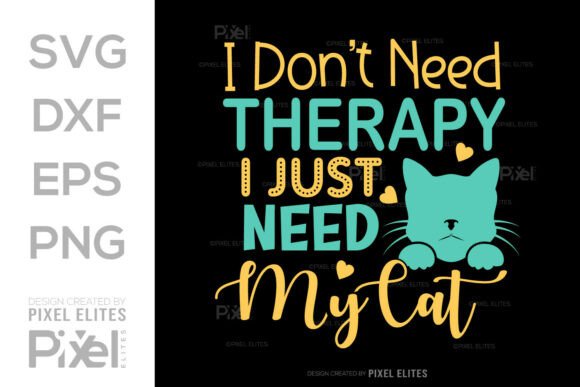
I Don t Need Therapy I Just Need My Cat
As a designer who has spent years stitching custom apparel and reviewing digital assets for the handmade market, I have seen countless designs that promise to be "the one" but fall short in actual production. Recently, I examined the I Don t Need Therapy I Just Need My Cat design with a critical eye, specifically looking at how it translates from a flat SVG file into a tangible, high-quality embroidery project. This isn't just another cute graphic; it is a statement piece that requires careful consideration of stitch density, thread contrast, and fabric choice to truly shine.
The first impression of I Don t Need Therapy I Just Need My Cat is immediate relatability. The layout balances humor with a clean aesthetic that feels perfect for modern branding. In my experience, the most successful T-Shirt Designs are those that capture a specific emotion without relying on overly complex imagery. This design leans heavily on typography, which means its success depends entirely on the legibility of the lettering and the weight of the lines. When I visualize this as an embroidery project, I see a strong potential for a boutique product line, provided the technical execution matches the visual promise.
Real-World Application: From Digital File to Finished Product
Let me take you through a real scenario where I tested this concept. Imagine you are an Etsy seller preparing a batch of custom embroidered tote bags for a holiday gift guide. You select I Don t Need Therapy I Just Need My Cat as your central motif. The goal is to create a handmade product that customers will feel proud to carry while walking their dogs or shopping at the local market.
In this context, the design works exceptionally well because the message is universal. However, the transition from screen to fabric introduces variables. If you plan to use this on a heavy canvas tote, the stitch density needs to be robust enough to stand out against the rough texture of the material. Conversely, if you attempt to place this on a soft baby onesie, the design must be digitized with a lighter touch to avoid creating a stiff, uncomfortable patch on delicate skin. The versatility of this Graphics asset lies in its adaptability, but only if you adjust the machine settings accordingly.
I also considered using this design for a sweatshirt embroidery project. For winter apparel, the text creates a cozy, relatable vibe that fits perfectly with the season's aesthetic. The phrase suggests a need for comfort, which aligns naturally with the warmth of a fleece hoodie. Yet, there is a catch with stretchy fabrics like cotton jersey or fleece. Without proper stabilizer support, the tension of the satin stitch could cause the fabric to pucker, ruining the professional look of the final item. This is where the difference between a hobbyist result and a commercial-grade output becomes apparent.
Where to Use It (And Where to Be Cautious)
While I Don t Need Therapy I Just Need My Cat is a versatile addition to any designer's library, it is not a one-size-fits-all solution. There are specific scenarios where caution is required to maintain the integrity of the work.
- Small Hoop Sizes: If you are working with tiny embroidery hoops, such as those used for patches or small accessories, the lettering might become too crowded. Fine details can get lost when scaled down, leading to a muddy appearance where individual letters blend together.
- Textured Fabrics: On materials like terry cloth or thick corduroy, the definition of the design may suffer. The raised texture of the fabric competes with the raised texture of the stitches, potentially making the text harder to read.
- Dense Stitch Areas: If the original file uses heavy fill stitches for the background or thick outlines, the resulting stiffness might be undesirable for items that require frequent washing, such as kitchen towels or aprons.
- Curved Surfaces: Applying this design to caps or fitted hats requires precise digitizing to account for the curvature. A straight-line layout might look distorted once stitched onto a rounded brim.
For these challenging applications, I recommend testing the design on scrap fabric first. This step is non-negotiable for any serious commercial embroidery operation. You need to verify that the thread colors pop against the specific fabric hue you intend to use. Dark fabrics often demand a light underlay or a different thread type to ensure the design doesn't sink into the material.
Visual Appeal and Brand Consistency
When evaluating I Don t Need Therapy I Just Need My Cat for a small shop product line, the visual personality of the design is crucial. It conveys a sense of humor and self-care that resonates deeply with cat lovers. This emotional connection drives customer trust and engagement. A buyer looking for a personalized gift is more likely to choose an item that articulates their feelings clearly.
The clean lines mentioned in the product description are a significant asset. In the world of machine embroidery design, clean lines translate to crisp edges and reduced thread breaks. This reliability is essential for maintaining brand consistency. If every tote bag you sell features a slightly misaligned or frayed version of the same design, your brand perception suffers. High-quality digitization ensures that the finished product looks as good as the printable mockup did online.
Furthermore, the design's simplicity makes it an excellent candidate for various design assets. It can be easily integrated into larger compositions, perhaps paired with a simple cat silhouette or paw print to create a cohesive collection. Whether you are creating holiday embroidery gifts or seasonal custom apparel, this theme offers a timeless appeal that transcends fleeting trends.
Practical Notes for the Embroidery Designer
To ensure the best results when working with this file, here are some practical steps I advise taking before committing to a full production run:
- Check Thread Color Contrast: Always test the design with your intended thread palette. A white thread on a black shirt might require a specific stabilizer technique to prevent show-through.
- Review Stitch Density: Examine the running stitch and fill stitch areas. Ensure they are balanced so the fabric does not pucker or distort during the stitching process.
- Confirm Hoop Size: Verify that the design fits comfortably within your standard hoop sizes. If the design is large, consider splitting it or adjusting the placement to avoid unnecessary re-hooping.
- Inspect Small Details: Zoom in on the finest parts of the lettering. If the details are too thin, they may not hold up well after washing or wear.
- Test Black and White Mockups: Before purchasing expensive threads, run a black-and-white simulation to check the overall balance and readability of the composition.
- Verify Licensing: Crucially, confirm whether the license allows for commercial embroidery projects. Selling finished items made from this design requires clear rights to do so.
In conclusion, I Don t Need Therapy I Just Need My Cat is a compelling choice for designers and crafters looking to add a touch of personality to their inventory. Its strength lies in its clear message and adaptable layout, making it suitable for everything from baby embroidery to tote bag design. However, success depends on the maker's attention to detail regarding fabric selection, stabilization, and machine settings. By treating this digital embroidery file with the respect it deserves, you can transform a simple SVG into a premium handmade product that customers will love.