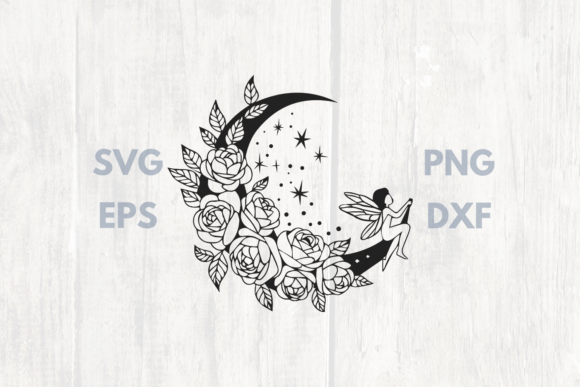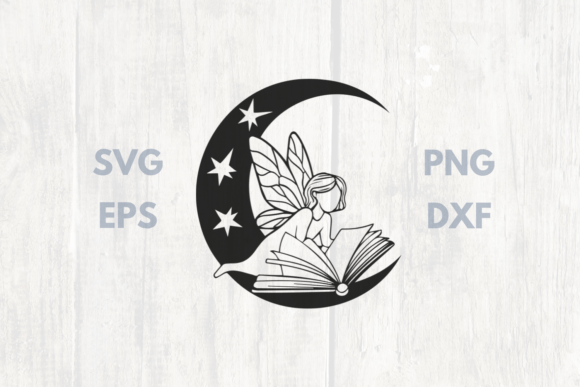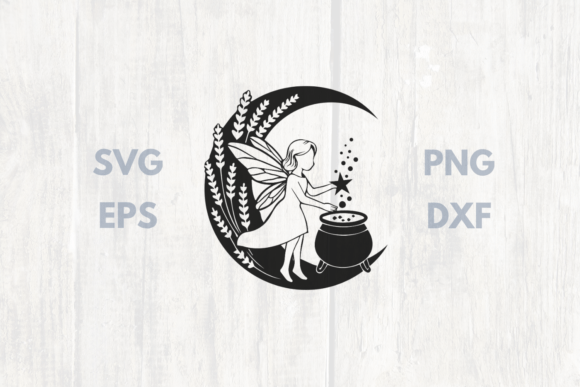
Rose Branch Moon Embroidery Review
As a designer who has spent years testing digital assets in physical hoops, I know that the difference between a good project and a great one often comes down to the specific design file you choose. When Rose Branch Moon landed on my desk, I didn't just see another cute cat illustration; I saw a potential centerpiece for a boutique collection. This piece is marketed as an SVG perfect for T-shirts, tote bags, mugs, and wall art, but as someone focused on real-world embroidery outcomes, I needed to dig deeper into how this Illustrations category asset translates from screen to stitch.
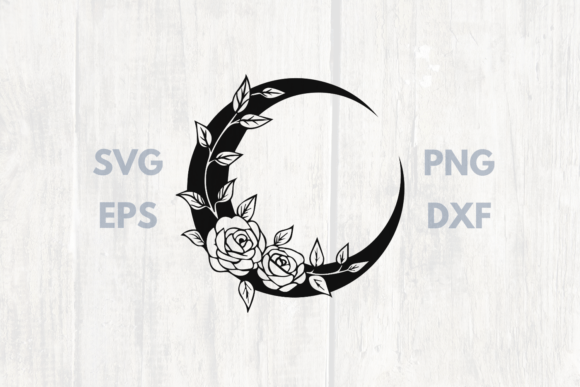
The first impression of Rose Branch Moon is one of quiet whimsy. The layout suggests a balance between organic flow and structured geometry, which is exactly what you want when creating a handmade product that feels intentional rather than accidental. It creates a mood that is magical yet grounded, making it versatile enough for nursery decor or a sophisticated gift for a fellow crafter. But does it hold up under the tension of a sewing machine needle? Let's walk through a real-life scenario to find out.
From Screen to Stitch: A Real Project Scenario
Imagine you are preparing for a local craft fair next month. You have a stack of unbleached canvas tote bag designs waiting to be transformed into your signature small shop products. You need something that stands out on a busy table but doesn't look cluttered when viewed from a few feet away. You decide to test Rose Branch Moon on a heavy-duty cotton tote.
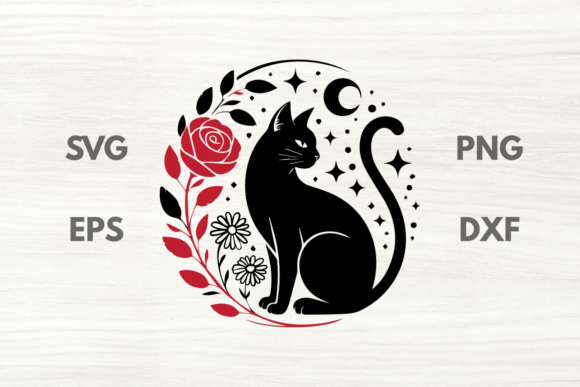
This is where the design truly shines. The composition allows for a clean placement on the front panel without overwhelming the fabric. When I visualized the final result, the cat figure acts as the focal point, while the surrounding branches provide natural negative space that prevents the stitching from feeling too dense. For an Etsy seller looking to create a cohesive brand identity, this design offers a consistent aesthetic that can be easily replicated across different items, from aprons to pillow covers.
However, the transition from a vector graphic to a physical embroidery project requires careful planning. If you are using this as a machine embroidery design, the density of the fill stitches needs to be checked against the fabric weight. On a thick canvas tote, the design holds its shape beautifully, creating a tactile texture that invites touch. On a softer, thinner fabric like a baby onesie, the same design might require a lighter stabilizer to prevent puckering. The key is understanding that Rose Branch Moon is not just a picture; it is a set of instructions for thread placement that must respect the material it lives on.
Performance Across Different Textiles and Garments
When evaluating Rose Branch Moon for broader applications, we have to consider how it behaves on various surfaces. It is an excellent candidate for sweatshirt embroidery, where the slightly textured fleece can hide minor imperfections in the stitch work while adding a cozy feel to the finished garment. The contrast between the dark thread colors and the heather gray of a typical sweatshirt would make the "moon" element pop effectively.
For custom apparel like t-shirts, the design works well if the hoop size is sufficient to capture all the details without cutting off the edges of the branches. The running stitch elements, likely used for the finer lines of the cat's whiskers or branch tips, add a delicate touch that elevates the piece above standard block lettering. This level of detail signals quality to the customer, boosting trust in your craft business.
In the realm of home decor, such as kitchen towels or pillow covers, the whimsical nature of the design fits perfectly with modern farmhouse or bohemian trends. It serves as a charming accent that makes a functional item feel personal. However, you must be mindful of the wash cycle. Items that undergo frequent washing, like dish towels, require robust stitch density to ensure the design survives repeated laundering without fraying. If Rose Branch Moon relies heavily on thin satin stitches for its main structure, it might be better suited for decorative pillows that see less wear and tear.
Navigating Technical Challenges
No design is without its pitfalls, and knowing where Rose Branch Moon might struggle is just as important as knowing where it excels. One area to exercise caution is on curved surfaces like caps or hats. While the design looks flat and balanced on paper, the curvature of a cap can distort the perspective of the moon and branches if the digitization isn't adjusted for the curve. In these cases, a smaller hoop size might limit the effectiveness of the design, forcing you to crop out essential details.
Textured fabrics present another challenge. If you attempt to embroider this on a bouclé knit or a rough burlap, the needle may struggle to penetrate the fibers cleanly, leading to skipped stitches or uneven coverage. Similarly, stretchy fabrics like jersey knits require a strong stabilizer to prevent the design from warping as the fabric stretches during wear. Without proper stabilization, even a beautiful embroidery file can end up looking messy and amateurish.
Dense stitch areas within the design also warrant attention. If the cat's fur or the leaves of the branches are packed too tightly, the fabric beneath may become stiff and uncomfortable. This is particularly relevant for baby embroidery, where softness is a priority. Always inspect the stitch density before mass-producing a batch of items to ensure the finished product remains wearable and comfortable.
Design Notes for the Practical Maker
Before you commit to using Rose Branch Moon for a commercial order, there are several practical steps every experienced designer should take. First and foremost, always test the design on scrap fabric that matches your final project material. This simple step reveals issues with thread tension, color contrast, and fabric interaction that you cannot see in a digital mockup.
Check your thread colors carefully. The magic of Rose Branch Moon relies on the interplay between light and shadow. Using low-quality threads might result in a dull appearance, whereas high-sheen polyester or rayon threads can bring out the whimsical glow intended by the artist. Compare your choices on both light and dark backgrounds to ensure the design maintains its integrity regardless of the base fabric.
Confirm your stabilizer selection based on the fabric type. For stable wovens, a cut-away stabilizer provides lasting support, while knits might benefit from a tear-away option depending on the desired drape. If you are unsure about the specific requirements, refer to the file details provided with the download, as they often contain crucial information about recommended densities and formats.
Don't forget to review the licensing terms. If you plan to sell finished items featuring Rose Branch Moon, you must ensure your license permits commercial use. Some digital embroidery files allow for single-use projects only, while others offer extended rights for small businesses. Understanding these terms protects your small shop product line from legal complications.
Finally, consider the visual appeal of the final output. Does the design convey the emotion you want? Does it look professional enough to command a higher price point? Rose Branch Moon has the potential to be a standout asset in your portfolio, offering a blend of charm and elegance that resonates with buyers looking for unique, personalized gifts. By approaching it with a critical eye and a focus on technical execution, you can transform this graphic into a tangible masterpiece that customers will love.