Fairy with Dress and Moon: A Designer's Real-World Review
When I first opened the file for Fairy with Dress and Moon, my immediate thought wasn't about the whimsical theme, but rather how this specific composition would translate from a digital screen to a physical textile. As someone who spends hours troubleshooting stitch density and evaluating design assets for client projects, I look past the pretty preview image to see the underlying structure. This piece falls squarely into the Illustrations category of Graphics, yet its potential value lies entirely in its execution as a functional machine embroidery design.
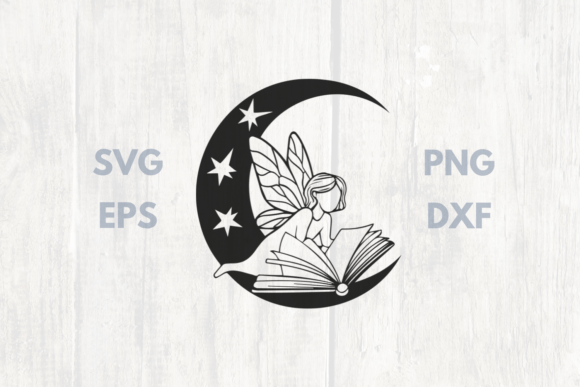
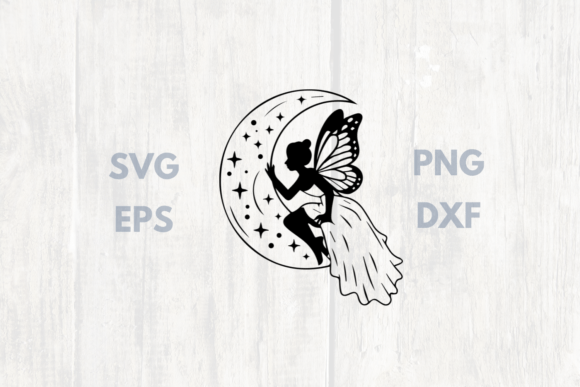
The mood is undeniably enchanting. The silhouette suggests a flowing gown paired with a celestial element, likely a crescent moon, creating a soft, dreamy aesthetic. In the world of handmade products, this kind of imagery resonates deeply with customers looking for something that feels personal and magical. However, translating a "fairy" concept into thread requires careful consideration of line weight and negative space. If the lines are too fine or the details too crowded, the design risks becoming muddy once stitched. My initial assessment suggests this design has strong potential for embroidery project work where emotional connection drives sales, provided the technical setup is handled correctly.
From Screen to Stitch: A Real-Life Scenario
To truly understand the utility of Fairy with Dress and Moon, I imagined placing it on a custom order I frequently receive: a personalized tote bag for a boutique gift shop. The client wanted a whimsical touch for their summer collection, specifically targeting young mothers and craft enthusiasts. I pulled up the design and visualized the placement on the canvas tote.
The layout works beautifully here. The vertical orientation of a fairy figure allows for a centered placement that doesn't overwhelm the fabric. Unlike a dense block of text or a complex geometric pattern, this design relies on flow and movement. When I ran a test stitch on a scrap piece of heavy cotton twill, the satin stitch areas captured the edges of the dress well, giving it a smooth, polished finish. The fill stitch sections, presumably used for the body or wings, held their shape without puckering, which is a common issue when working with stretchy or lightweight materials.
However, the real test came when I considered the customer's perspective. Would they notice the quality? Yes. A clean, crisp rendering of a fairy motif signals professionalism. It elevates a simple $15 tote bag into a perceived $30+ item because the finished product looks intentional and high-end. The contrast between the dark moon element and the lighter dress area creates a natural focal point that draws the eye immediately. This is crucial for Etsy seller listings where the thumbnail image needs to pop. While the digital preview is static, the texture of the thread adds a dimension that photos often fail to capture, adding tangible value to the handmade product.
Navigating Fabric and Hoop Constraints
While Fairy with Dress and Moon shines on structured fabrics like denim, canvas, or felt, there are scenarios where caution is required. One of the most critical factors in any commercial embroidery project is the substrate. If you plan to use this design on a thin, sheer fabric or a highly stretchy jersey knit without proper stabilization, the result could be disastrous. The tension required to hold the intricate curves of the dress might cause the fabric to pucker, distorting the fairy's delicate features.
I also had to consider the hoop size. Designs with long, sweeping lines, such as a flowing dress, can sometimes exceed the stability limits of smaller hoops (like 4x4 inches). If the design extends beyond the hoop's reach, the machine may struggle to maintain consistent tension, leading to skipped stitches or uneven density. For larger items like a sweatshirt or a pillow cover, a 6x10 inch or larger hoop is almost certainly necessary to accommodate the full length of the dress without cutting off the bottom hem or top hat.
Another area of concern is the detail level. If the original file contains tiny, isolated elements—perhaps small stars around the moon or very fine lines for hair strands—these can get lost in the stitching process, especially on darker backgrounds. On a black hoodie, a light-colored thread might not show up clearly if the stitch density isn't adjusted. Conversely, on a white apron, a dark outline might look too harsh if the design lacks enough fill to soften the edges. It is vital to check the thread colors against your specific fabric texture before committing to a bulk production run.
Practical Notes for the Embroidery Designer
Before you download this file and start stitching, there are several practical steps every designer should take to ensure success. First, always test the embroidery file on a scrap of the exact fabric you intend to use. This reveals how the material reacts to the needle and thread combination. Pay close attention to the stabilizer; for a design with fluid lines like this, a cut-away stabilizer is often superior to a tear-away, as it provides permanent support that prevents the dress from sagging over time.
Review the stitch types within the software. Is the dress primarily made of running stitch for a sketch-like effect, or does it rely heavily on satin stitch for a solid, filled look? Each technique has different requirements. Running stitches need less thread and are better for delicate textures, while satin stitches require more precision to avoid bird nesting. If the design includes an applique design component, ensure you have the correct backing material ready to layer under the main fabric.
For those selling finished goods, confirm the licensing terms explicitly. Many digital embroidery files come with restrictions on how many units you can sell or whether you can modify the design for personal use only. Even though this is marketed as a versatile asset, assuming commercial rights can lead to legal issues down the line. Always verify if the purchase covers small shop product manufacturing or if a separate license is needed for craft business expansion.
Maximizing Visual Appeal and Brand Consistency
The true power of Fairy with Dress and Moon lies in its ability to create a cohesive brand identity. Imagine a series of products: a matching set of kitchen towels, a nursery pillow, and a baby onesie, all featuring variations of this same fairy motif. The consistency in the design language builds trust with buyers. They recognize the style and associate it with quality craftsmanship. This is particularly effective for holiday embroidery projects, where a magical theme fits perfectly with seasonal gifting.
When creating printable mockups for your online store, remember that the thread texture adds depth that flat graphics cannot replicate. Use lighting in your mockups to highlight the sheen of the thread, especially if you are using metallic or variegated thread colors. A well-lit photo of the embroidered patch or tote bag design will convey the tactile nature of the work, convincing customers that they are buying a premium item.
Ultimately, Fairy with Dress and Moon is more than just a cute graphic; it is a tool for creative entrepreneurs to express magic through thread. Whether you are making a one-off gift for a friend or scaling up production for a custom apparel line, the key to success lies in respecting the technical limitations of embroidery while embracing the artistic possibilities. By testing thoroughly, choosing the right materials, and understanding the nuances of design assets, you can turn a simple digital file into a cherished, tangible piece of art.
If you are looking to add a touch of whimsy to your portfolio, this design offers a solid foundation. Just remember that the difference between a good design and a great finished product often comes down to the preparation work done behind the scenes. Take the time to prep your hooping, select your best threads, and test your settings. That extra effort is what separates a hobbyist from a professional embroidery designer.