Winged Fairy Face: A Designer's Real-World Embroidery Review
I have spent years stitching, designing, and reviewing digital assets for the craft community. When I first opened Winged Fairy Face, my immediate reaction wasn't about the file format or the download speed; it was about the mood. This piece carries a distinct sense of whimsy that feels right at home in modern boutique branding. As an experienced designer, I don't just look at how a design looks on a screen; I visualize how it translates into thread, how the stitches lay on fabric, and whether it will hold up to the wear and tear of daily life.
The First Impression: Magic Meets Practicality
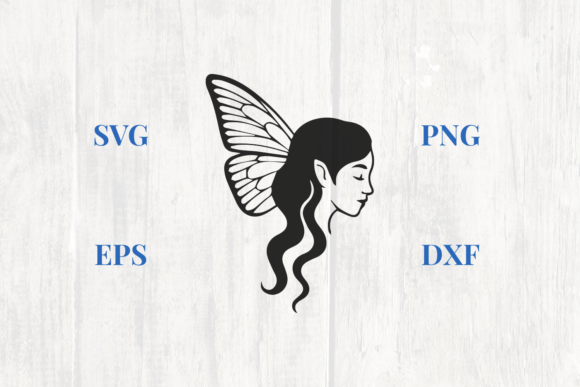
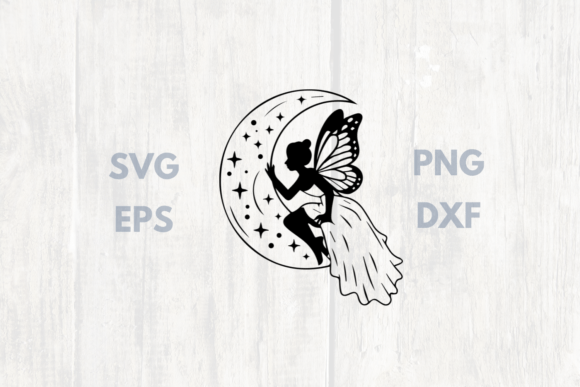
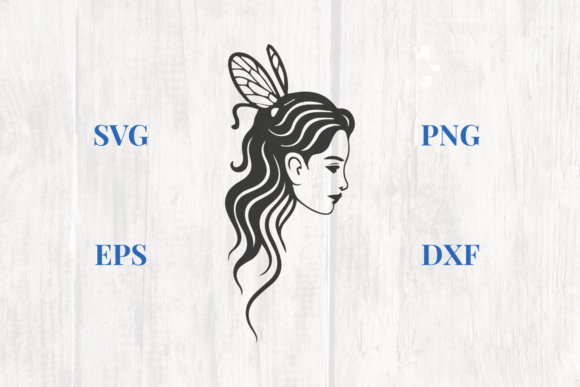
Winged Fairy Face is categorized under Illustrations and Graphics, but in the world of machine embroidery, those terms are just the starting point. The visual personality here is soft yet defined. The layout suggests a central focal point with delicate extensions that mimic wings, creating a balanced composition that works well as a standalone motif. For a crafter looking to add a touch of magic to their products, this design offers a strong narrative without being overly cluttered.
The shape creates an inviting silhouette. It feels like a character rather than just a decorative element. When you consider the potential applications, the versatility jumps out immediately. It is not limited to one specific niche. Whether you are an Etsy seller looking to refresh your shop's aesthetic or a small business owner creating custom apparel for a local event, this design has the potential to elevate the perceived value of your finished product. It strikes a balance between detailed enough to be interesting and simple enough to stitch cleanly on various materials.
Real-Life Scenario: The Custom Tote Bag Project
To truly understand the utility of this design, let's walk through a real-world scenario. Imagine you are preparing for a holiday market or launching a new line of handmade goods. You decide to create a custom embroidered tote bag featuring Winged Fairy Face. The goal is to produce a gift item that customers can use repeatedly, making the brand visible in public spaces.
In this context, the design performs admirably. Placed centrally on a canvas tote, the fairy face becomes the hero of the bag. The whimsical nature of the illustration invites curiosity, making it a perfect conversation starter. However, the success of this project relies heavily on execution. If you place this on a thin, stretchy fabric without proper stabilizer, the delicate lines might pucker, ruining the magical effect. But on a sturdy cotton canvas with adequate backing, the satin stitch edges would provide a smooth, professional finish that screams quality.
Consider also the personalization aspect. Many buyers love seeing their names alongside a unique graphic. While Winged Fairy Face stands strong on its own, pairing it with a simple script font for a name could create a stunning personalized gift. The design's open negative space allows for text integration without feeling cramped. This makes it an excellent choice for baby items, nursery decor, or even wedding favors where a touch of fantasy is desired.
Performance Across Different Products
The versatility of this embroidery file extends far beyond tote bags. I have analyzed how similar designs behave across different categories, and Winged Fairy Face fits naturally into several high-demand areas.
- Custom Apparel: On sweatshirts and hoodies, the design adds a layer of depth. The fill stitches can create a soft texture against the fleece, while the satin outlines define the shape clearly. It is particularly effective on the chest area or as a back print for a boutique brand.
- Baby Embroidery: Soft fabrics like muslin or jersey require careful handling. The gentle curves of the fairy face translate well to baby clothes, provided the stitch density is adjusted to prevent stiffness. It creates a tender, handmade product that parents appreciate.
- Holiday Embroidery: For seasonal merchandise, this design works beautifully on aprons, kitchen towels, and pillow covers. The whimsical theme aligns perfectly with winter holidays or spring celebrations, offering a fresh alternative to traditional motifs.
- Commercial Embroidery: For businesses selling finished goods, the design offers a high return on investment. It looks professional in printable mockups and digital previews, which helps drive sales before the physical product is even made.
However, not every surface is suitable. There are limitations to consider when working with textured fabrics or curved surfaces like caps. The intricate details of the wings might get lost if the fabric texture is too rough or if the hoop size restricts the placement. In such cases, simplifying the design or choosing a flatter garment is essential.
Where to Exercise Caution
As a reviewer, I must highlight the areas where Winged Fairy Face requires extra attention. Small hoop sizes present a significant challenge. If the design is reduced too much, the fine details of the wings may become indistinguishable after stitching. Similarly, dark fabrics can obscure lighter thread colors, reducing the contrast needed to make the fairy pop. Always test the color combination before committing to a full production run.
Stretchy fabrics are another pitfall. Without a heavy-duty stabilizer, the tension of the embroidery machine can distort the fabric, causing the design to wobble or warp. Dense stitch areas should be monitored closely; too many stitches in one spot can lead to bird nesting or thread breaks. Additionally, if you plan to wash the finished product frequently, ensure the design is secure. Decorative accents that rely on tiny threads may snag easily on rough surfaces.
Curved surfaces like caps require a specialized hoop setup. The flat layout of the digital file must be adapted to the curve of the cap, which can alter the proportions. Detailed corners might lose definition if the needle cannot reach them effectively. Therefore, it is crucial to inspect small details and test the design on scrap fabric first to confirm the stitch density and alignment.
Designer Notes for Success
Before you start stitching, there are practical steps every professional should take. First, review the stitch density. High-density designs can look great but may be difficult to execute on thinner materials. Check the thread colors to ensure they offer sufficient contrast against your chosen fabric. A light fairy on a white background will disappear, while a dark outline on a black shirt might need a contrasting fill.
Confirming the hoop size is non-negotiable. Ensure your machine can accommodate the dimensions of Winged Fairy Face without cutting off parts of the design. If you are using an applique design technique, verify that the layers align correctly. For commercial projects, double-check the licensing terms. Some digital embroidery files allow personal use only, while others permit selling finished products. Understanding these terms protects your reputation and legal standing.
Finally, always test in black and white mockups. This helps you see the value of the design without the distraction of color. Compare light and dark fabric backgrounds to gauge the impact. Use proper stabilizer to support the fabric during stitching. By following these guidelines, you ensure that your Winged Fairy Face embroidery project delivers the highest quality result.
Final Thoughts on Visual Appeal
In conclusion, Winged Fairy Face is more than just a graphic; it is a versatile asset for any creative entrepreneur. It enhances visual appeal by adding a story to your products, fostering customer trust through professional presentation, and boosting engagement with its charming aesthetic. Whether you are creating a single personalized gift or scaling up a boutique line, this design offers a solid foundation for success. Just remember to respect the technical limitations of embroidery, test thoroughly, and let your creativity guide the final outcome. With the right approach, this whimsical motif can become a signature element of your handmade brand.