Fairy Face with Wings: A Designer's Embroidery Review
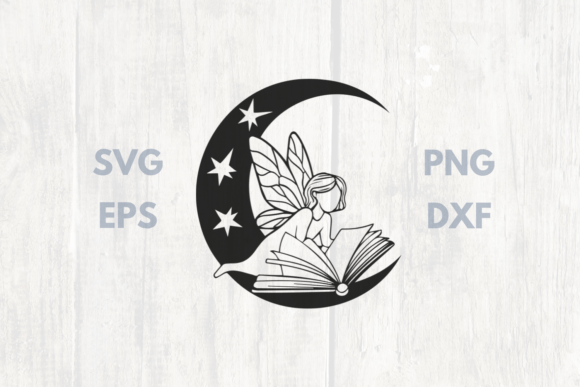
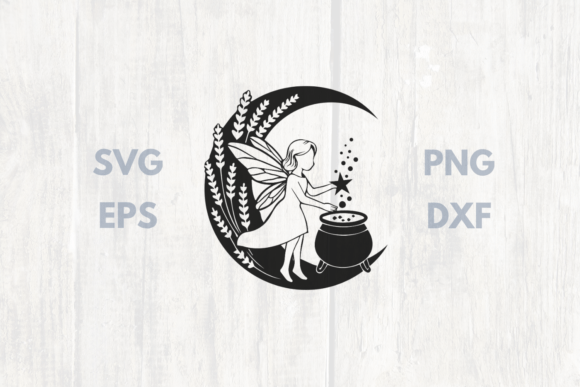
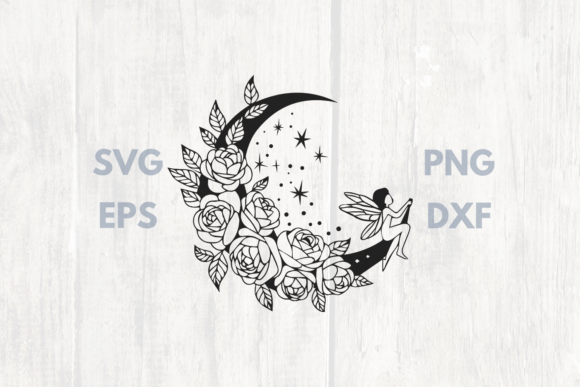
When I first opened the file for Fairy Face with Wings, my initial reaction wasn't about the technical specs, but the mood it instantly created. As a designer who spends hours staring at stitch patterns and fabric swatches, I look for that spark of whimsy that transforms a simple garment into a story. This piece delivers exactly that. It feels less like a generic graphic and more like a character waiting to come to life on your hoop. The layout suggests a delicate balance between fantasy and wearability, making it an intriguing candidate for everything from nursery decor to boutique apparel.
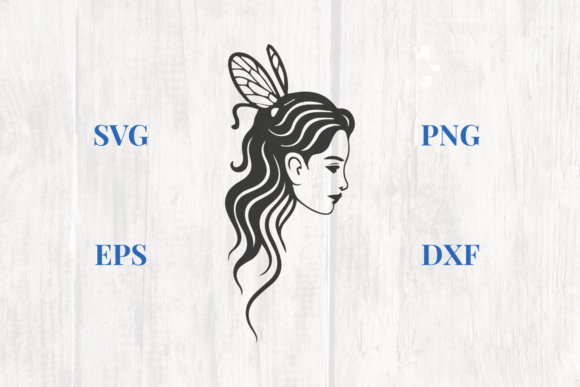
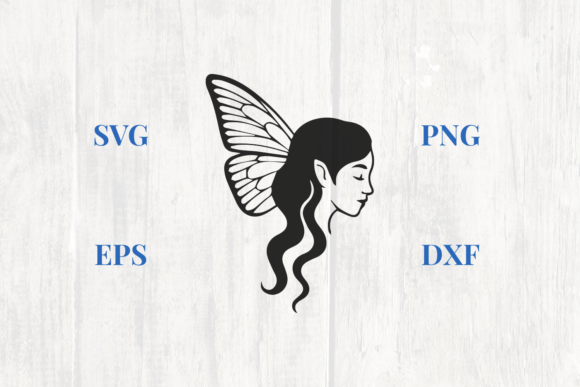
The concept is straightforward yet effective: a fairy face paired with wings. In the world of digital graphics, this might be a flat vector, but in embroidery, the challenge lies in translating those soft curves and intricate details into thread. My review focuses on how this design performs when moved from the screen to the needle, specifically evaluating its potential for real-world projects like custom totes, baby onesies, or holiday gifts. If you are an Etsy seller or a small business owner looking for design assets that elevate your brand, understanding the practical execution of Fairy Face with Wings is crucial before you commit to a production run.
From Screen to Stitch: The First Impression
The visual personality of Fairy Face with Wings leans heavily into the magical and the soft. When I imagine this design stitched out, the primary concern is always how the eye catches the detail. The wings offer a great opportunity for texture work, likely utilizing satin stitches to create a smooth, iridescent finish that mimics light catching on glass or silk. The facial features, being central to the charm, require precise running stitches or fine fill stitches to ensure they don't blur together during the stitching process.
In terms of category, while listed under Illustrations and Graphics, the true value here is as a functional machine embroidery design. The composition feels balanced enough to sit comfortably on a variety of surfaces without overwhelming them. It has a playful energy that works well for personal gifts, but it also possesses a level of polish that makes it suitable for commercial use. However, the success of the final product relies entirely on the choices made during the digitizing phase and the materials selected for the project.
Real-World Scenarios: Where This Design Shines
To truly judge a design, we have to put it to work. Let's imagine a specific scenario: preparing a batch of custom embroidered tote bags for a local craft fair. These bags will feature Fairy Face with Wings centered on the front panel. The goal is to create a product that feels handmade and special, justifying a higher price point than a mass-produced item.
For this application, the design excels. Tote bags usually offer a stable canvas, often made of cotton duck or canvas, which provides excellent support for the stitches. The whimsical nature of the fairy aligns perfectly with the target audience for these bags—parents, teachers, or anyone looking for a unique gift. The design adds a touch of magic that customers can see immediately, enhancing the perceived value of the finished product. It becomes more than just a bag; it becomes a statement piece that reflects the buyer's personality.
Consider another scenario: creating personalized baby items. A soft bodysuit or a receiving blanket embroidered with Fairy Face with Wings would make for a memorable shower gift. The softness of the embroidery, if done correctly with high-quality threads, ensures comfort against delicate skin. The design's gentle theme resonates with new parents, offering a sense of wonder and protection. In this context, the embroidery acts as a focal point that draws attention and creates an emotional connection, which is vital for handmade products sold online or at boutiques.
Furthermore, this design fits seamlessly into holiday collections. Imagine a set of kitchen towels or pillow covers featuring this fairy motif for a winter holiday sale. The contrast between the cozy fabric and the magical imagery creates a warm, inviting aesthetic. For a small shop product line, having a versatile design like this allows for cross-promotion across different categories, from apparel to home decor, maximizing the return on investment for the digital asset.
Practical Considerations and Potential Pitfalls
While the potential is high, a professional reviewer must also address where caution is needed. Not every surface is suitable for every design. Fairy Face with Wings contains delicate elements, particularly around the wings and facial details. Attempting to stitch this on a small hoop size might result in lost definition. If the hoop is too tight, the fabric distorts, causing the fine lines of the fairy's expression to warp. Conversely, if the hoop is too loose, the tension may be inconsistent, leading to puckering.
Texture is another critical factor. While the design looks lovely on smooth cotton, applying it to a highly textured fabric like a heavy bouclé or a rough linen could obscure the details. The thread might not lay flat, and the "fairy" could get lost in the weave of the material. Similarly, stretchy fabrics present a significant challenge. Without proper stabilization, the movement of the fabric during stitching can cause the design to shift, ruining the symmetry of the face and wings. For such applications, a cutaway stabilizer is non-negotiable to maintain the integrity of the finished product.
Dense stitch areas are also worth noting. If the original digitizing uses a high density of stitches in the wing area, it might create a stiff, board-like feel on a lightweight t-shirt or a thin apron. This can affect the drape of the garment and reduce customer satisfaction. Additionally, dark fabrics require careful consideration of thread colors. If the background is black, the white or pastel threads used for the fairy might not pop unless a high-density underlay is applied, adding bulk and potentially altering the design's intended lightness.
Designer's Notes for Success
Before you start your next embroidery project with Fairy Face with Wings, there are several steps to ensure a flawless outcome. First and foremost, always test the design on scrap fabric. This allows you to check thread color contrast and inspect small details without risking your final piece. Pay close attention to the stitch density; if it feels too heavy, consider adjusting the settings or using a lighter weight thread.
Confirming the correct hoop size is essential. Ensure the design fits within your machine's capabilities without requiring excessive trimming or re-hooping. Review the stitch types included in the file—whether it relies heavily on satin stitch for outlines or fill stitch for coloring—and adjust your machine accordingly. Using the proper stabilizer is perhaps the most important step; it prevents distortion and ensures the design sits flat and crisp on the fabric.
It is also wise to test the design in black and white mockups. This helps visualize how the contrast will hold up once stitched, especially if you plan to use multi-colored threads. Compare how the design looks on both light and dark fabric backgrounds to determine the best color palette for your specific product line. Finally, if you intend to sell finished items or distribute the digital embroidery file commercially, double-check the licensing terms provided by the creator. Ensuring you have the right permissions protects your business and respects the intellectual property of the designer.
Ultimately, Fairy Face with Wings offers a charming and versatile option for embroidery enthusiasts and professionals alike. By approaching it with a clear understanding of its strengths and limitations, you can create stunning, high-quality products that delight customers and stand out in a crowded marketplace. Whether you are crafting a personalized gift or building a robust line of boutique merchandise, this design has the potential to be a standout addition to your collection.